If you’ve ever wondered how a home elevator actually works, you’re not alone. It’s one of the most common questions we hear from homeowners who are curious about adding an elevator but aren’t sure what to expect from start to finish. The good news is that the process is more straightforward than most people imagine, and the result — being able to move freely between every level of your home — is absolutely worth understanding in detail before you commit.
The Basic Mechanics: How Home Elevators Move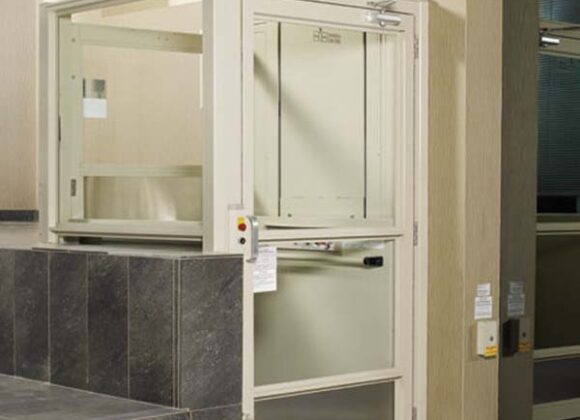
Most residential elevators operate using one of a few drive systems. The most common options are hydraulic, cable-driven (also called traction), and pneumatic (vacuum-driven). Each works a little differently, but the goal is the same: a smooth, quiet ride from one floor to another.
Hydraulic elevators use a pump and fluid pressure to raise and lower the cab. They’re known for a very smooth ride and are popular in homes across Cincinnati, Columbus, and the broader Ohio area. Cable-driven systems use a motor and counterweight, similar in concept to a commercial elevator but scaled down for home use. Pneumatic elevators are the newest style; they use air pressure differences above and below the cab to move it up and down through a transparent tube. They require no pit or machine room, which makes them appealing for retrofits in older homes in places like Louisville, Lexington, and Indianapolis.
The right system for your home depends on your floor plan, the number of stops you need, your budget, and personal preference. We carry an extensive selection of top brands, so we can walk you through the options without steering you toward something that doesn’t quite fit.
What the Installation Process Actually Looks Like
A lot of homeowners in Sidney, Columbus, and other cities we serve worry that installing a home elevator means months of disruption. In most cases, that’s not what happens.
The process typically starts with a home assessment. One of our team members visits your home, takes measurements, reviews your floor plan, and identifies the best location and system for your needs. From there, we put together a detailed quote (which is always free) so you know exactly what you’re looking at before any work begins.
Once everything is approved, the installation itself generally takes a few days for most residential systems. The specifics depend on the type of elevator and the complexity of the installation. A pneumatic unit going into an existing home in a city like Indianapolis or Lexington may come together faster than a full hydraulic system requiring a pit and hoistway construction. Either way, our installation technicians work efficiently and keep the disruption to your household to a minimum.
Permits are a real part of the process, and yes, home elevators do require them in most jurisdictions. We handle the coordination on that side so you’re not left figuring it out on your own.
Your First Ride and Beyond
Once the elevator is installed and inspected, we walk you through exactly how to operate it. The controls are simple, and most people feel completely comfortable within the first few minutes. The cab is quiet, the movement is gentle, and for most of our customers, the first ride brings an immediate sense of relief that a solution is finally in place.
After that first ride, the elevator becomes part of everyday life in the home. We always recommend keeping up with routine maintenance, which our team offers throughout most of Ohio, Kentucky, and Indiana. Regular service keeps the system running reliably for years and catches any small issues before they become larger ones. If something ever does need attention, we handle repairs as well, so you’re not left searching for someone who actually knows your equipment.
Is It the Right Time to Consider One?
July is actually a popular time for homeowners to start thinking about accessibility upgrades. Families gathered for summer often notice how challenging the stairs have become for an older parent or a loved one recovering from surgery. If you’re in Cincinnati, Louisville, Columbus, Sidney, Indianapolis, Lexington, or anywhere else across our service area, this is a great time to start the conversation while there’s no pressure to rush.
We’d love to answer any questions you have about how a home elevator or lift might work in your specific home. Give us a call or drop us an email and we’ll be glad to help.